English
 Français
 Português
 العربية
 한국어
한국어 Türkçe
 Tiếng Việt
 Español
 हिन्दी
Learning French on your own is winning over more and more people. You move at your own pace, at home, with no fixed schedule and no classroom. Would you like to understand a film without reading the subtitles? Read a novel in its original language? Hold a conversation without hunting for every word? All of that can be worked on alone, with a bit of method and a lot of consistency.
Training solo takes some organisation, but nothing insurmountable. You choose your materials, your topics and your study times. This freedom changes everything when you’re juggling a job, children or unusual hours. Many learners progress this way, provided they keep a clear direction and practise often.
This guide brings together a practical method: organising your learning, choosing your resources, working on speaking, measuring your progress and keeping up your motivation. Nothing magical, just habits that work when you repeat them.
Where to start when learning French on your own?
Before opening an app or a textbook, ask yourself a simple question: why French? A trip, a job, studies, a French-speaking family? The answer shapes everything else. Take a sheet of paper, write down your reasons, then set yourself realistic goals. For example, holding a five-minute conversation, or reading a news article without a dictionary. These concrete aims make the effort measurable and less abstract.
What's your real French level?
Answer 10 quick questions right here, without leaving the page. Create your account at the end to see your level.
Test complete! 🎉
Create your free account to see your estimated level and unlock a tailored path.
See my levelA learning path needs clear stages. The Common European Framework of Reference, the CEFR, divides progress into six levels, from A1 to C2. Placing your starting point helps you choose materials at the right level of difficulty. A complete beginner first aims for A1 then A2: introducing yourself, asking simple questions, understanding short sentences. Beginner French courses lay these foundations from the very first days.
Organising your time and keeping it regular
French, like any language, thrives on consistency. Fifteen minutes every day beats one long session on Sunday evening. The brain retains what it sees often, at close intervals. Choose a fixed slot and stick to it: on waking, on the commute, before sleep. Regularity counts for more than duration. A short daily session always ends up paying off.
Vary your activities to avoid weariness. One day of listening, one day of reading, another of writing or speaking. This rotation keeps your attention sharp and works all your skills. Keep a record of your sessions in a notebook or an app. Knowing how to start out as a French beginner from the very first days changes everything that follows.
Which resources help you progress at home?
The internet is bursting with materials, free or cheap. Sorting matters more than quantity. Keep two or three tools suited to your level, and stick with them for a few weeks before switching. Flashcard apps, like Anki or Quizlet, anchor vocabulary through spaced repetition. French-language podcasts train your ear to real speed, the pace of genuine exchanges.
Memorising everyday French phrases saves precious time early on. These ready-made expressions come in handy in a thousand situations, from the morning coffee to the administrative appointment.
- Specialised websites: conjugation, spelling and comprehension exercises, updated often.
- Adapted books: easy readers for learners make reading gradual and less intimidating.
- Educational video channels: image and sound help you work on pronunciation and grammar in context.
- Online support groups: to ask questions, share your sticking points and progress together.
How can you practise speaking without a teacher?

Talking to yourself feels strange, yet it’s the most rewarding exercise. Describe out loud what you’re doing, comment on the weather, recount your day. Repeat lines from films or series you love, imitating the rhythm and the accent. This warm-up gets your tongue used to the sounds of French. Confidence comes from repeating, not from waiting for the perfect moment.
Audio recording quickly becomes a valuable ally. Read a short text on your phone, then listen back without indulgence. You’ll spot straight away a misplaced word, a shaky intonation, a pace that’s too fast. To speak with real people, language exchange apps connect you with French speakers from all over the world. These conversations, however brief, build your spontaneity.
Working on comprehension and writing every day
Understanding spoken French takes exposure, plenty of exposure. Listen to content a notch above your level, without trying to catch everything. The general meaning is quite enough at first. Watch videos with French subtitles rather than in your own language: the eye and the ear fall into step together. Over the weeks, isolated words turn into whole sentences.
Writing is worked on in small doses, regularly. Keep a three-line journal each day, describe a photo, sum up a video you watched the day before. Frequency matters more than length. Reread yourself out loud to catch phrasings that ring false. An online corrector points out recurring mistakes, and each one becomes a lesson.
How can you assess your progress without a teacher?
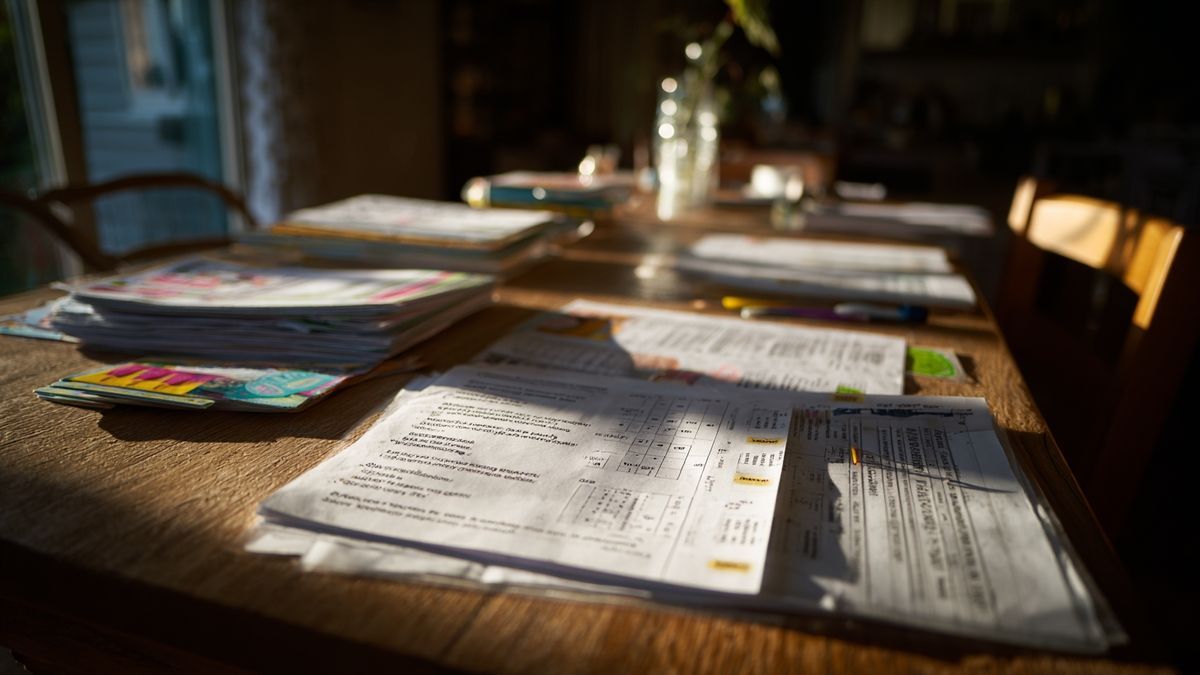
With no grade or report card, you quickly doubt how far you’ve come. Set concrete markers to make it visible. Go back to a podcast that felt fast a month ago: are you following it better today? Reread an old text, redo an exercise you failed on the first try. These comparisons reveal a path you can’t feel day to day.
The CEFR self-assessment grids also help you place yourself. They describe, level by level, what you can do: introduce yourself, tell a memory, defend an opinion. Tick off what you’ve mastered, then aim for the next box. An online level test, retaken every couple of months, rounds off this personal tracking nicely.
The real benefits of self-taught French
Training on your own gives you a rare freedom. You choose your topics: cinema, cooking, current affairs, football, whatever. This autonomy feeds curiosity and pushes you to dig into what you enjoy. You also get to know yourself better: your productive hours, your favourite methods, your weak points. This self-awareness serves you far beyond the French language.
Self-teaching builds qualities useful everywhere: organisation, patience, the ability to adapt. You accept mistakes more readily when no one is judging over your shoulder. The goal isn’t to speak without an accent or an error, let’s be clear. The goal is to be understood, to build connections and to savour every successful exchange. Progress counts as much as the final result.
Which strategies keep you motivated over time?
Motivation often wavers after two or three weeks, at the first plateau. Nothing unusual. When that happens, go back to your original reasons, the ones written down in black and white on day one. A song understood, an order placed at a restaurant, an email written without help: every small victory deserves a pause. Celebrating these wins keeps the momentum going better than guilt.
| Strategy | Why it works | In practice |
|---|---|---|
| Alternate activities | Avoids weariness and keeps the enjoyment | Listening, reading and writing within the same week |
| Self-assess often | Makes progress visible and encourages you to keep going | A review of what you’ve learned every two weeks |
| Keep a notebook | Helps you memorise and see how far you’ve come | Noting new words, expressions and successes |
Tools to keep close at hand
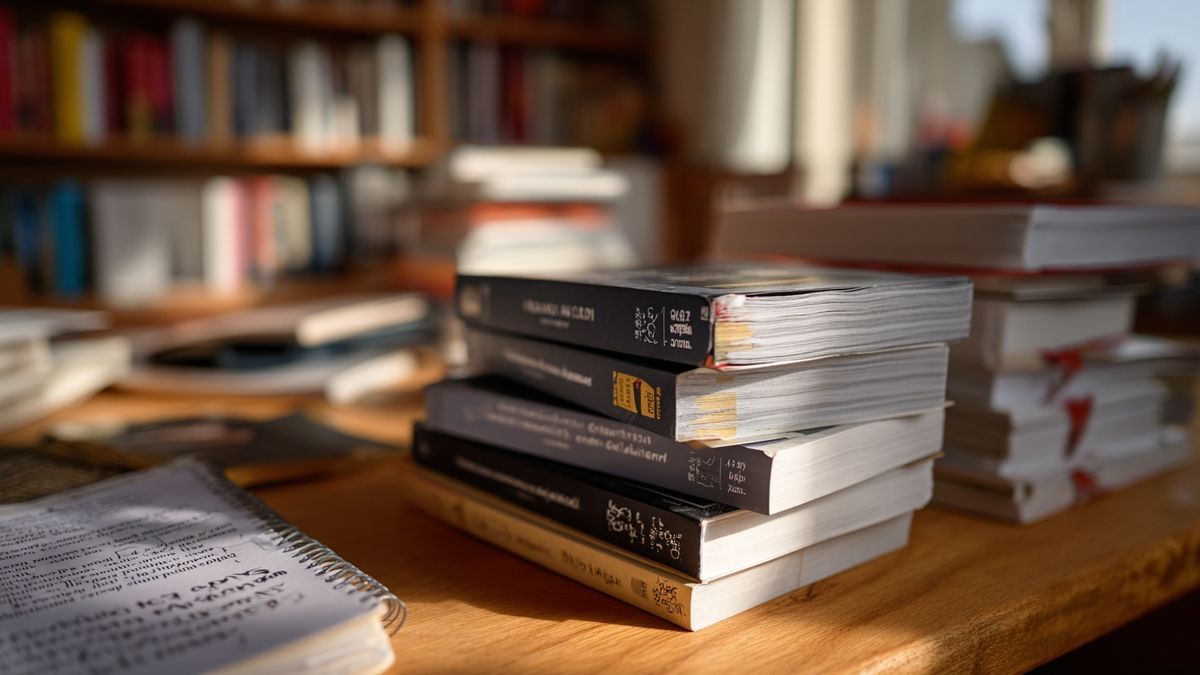
A few resources deserve a permanent place in your routine. A good online dictionary, with examples and pronunciation, settles most everyday sticking points. A flashcard app keeps vocabulary alive through short sessions. A notebook, paper or digital, keeps a record of the expressions you come across day after day. Add a daily listening source: radio, podcast or French-language video channel.
The idea isn’t to pile up apps, but to keep a few and actually use them. Three well-used tools are worth more than a dozen opened once then forgotten.
Conclusion

Learning French on your own means making the language your own, at your own pace, according to your needs and wishes. With online resources, books suited to every level and French-language media, you progress without a classroom. This approach relies on autonomy, which sustains motivation over the long haul.
Set clear goals, practise speaking and writing a little every day, vary your materials. Every mistake becomes a lesson, and confidence follows without being forced. If you’re still hesitating, take the plunge: try several methods and keep the ones that suit you best.
Frequently asked questions
It depends on your starting level, the time you put in and your goal. To hold a simple conversation, a few months of daily practice are often enough. Reaching an advanced level takes more patience, sometimes a year or two. What matters most is regularity: a short session every day does more than an occasional marathon. Set yourself intermediate stages to keep your spirits up. Set aside fixed slots during the week and treat them like an appointment. Thirty minutes a day beats three hours in one go. Vary the activities: listening, reading, grammar and speaking, to avoid weariness. Log your sessions in a notebook or a tracking app. If a method yields little, change it quickly rather than forcing yourself. Yes, provided you speak often, even alone. Describe your actions out loud, repeat film dialogues, record yourself then listen back. Language exchange apps connect you with French speakers for real conversations. Listening to natives and imitating their rhythm speeds up progress. Speaking is unlocked through repeated practice, not through theory. French-language podcasts, educational video channels and exercise websites already offer plenty without paying anything. Flashcard apps help you memorise vocabulary. Easy readers for learners make reading accessible. Support groups on social networks let you ask your questions. Choose a few materials suited to your level and stick with them. Keep your original reasons in sight: travel, work, family or pleasure. Set small, achievable goals and celebrate every success, however modest. Vary your materials so you don’t go round in circles. Joining a community of learners helps you hold on through moments of doubt. Finally, accept the plateaus: they’re part of the journey and always pass in the end. Rely on the CEFR self-assessment grids, which describe what you can do at each level, from A1 to C2. Go back to old content to measure how far you’ve come. Online level tests give a quick, free benchmark. Note your concrete successes: a film understood, an email written without help. These signs are worth more than an isolated grade. Yes, provided you start with solid foundations and materials suited to the A1 level. Complete beginners benefit from working first on useful phrases, pronunciation and simple listening comprehension. A structured path stops you from scattering your efforts. Alternating app, listening and easy reading sets up reference points quickly. The key remains regularity, more than talent.How long does it take to learn French on your own?
How do you organise your time to learn French alone?
Can you really improve your speaking without a teacher?
Which free resources help you learn French at home?
How do you stay motivated when learning French alone?
How do you assess your French level without taking an exam?
Is self-teaching suitable for complete beginners?

What's your real French level?
Answer 10 quick questions right here, without leaving the page. Create your account at the end to see your level.