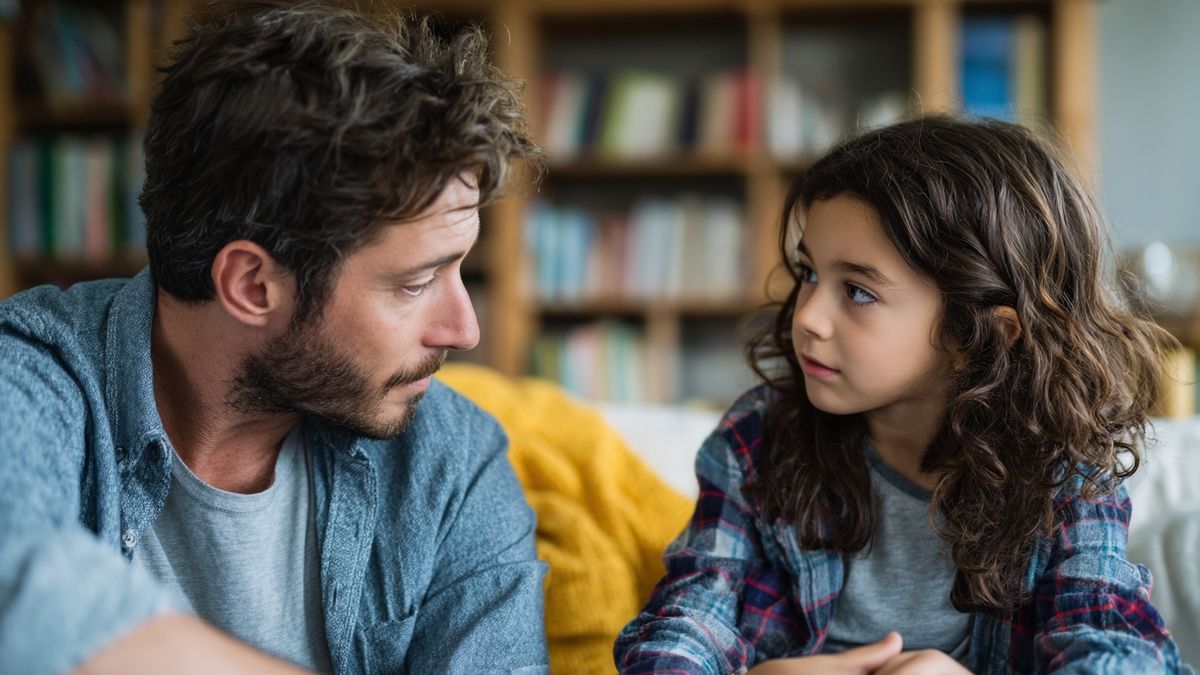
Learning French with family transforms everyday life into a shared linguistic experience. Starting together with a new language means sharing funny moments, but also helping each other face difficulties. Everyone brings their energy, questions, and desire to progress, which motivates both young and old. The platform fle.re offers a variety of ready-to-use resources to integrate learning into every corner of the home: picture books for the youngest, role-playing games for teens, or interactive discussions at the table. We repeat, we encourage each other, and sometimes we find ourselves naturally switching from French to our mother tongue… then back to French, simply.
Far from being a classic school exercise, the use of family vocabulary comes to life through conversations about routines, memories, or even the little worries of the day. Owning the lexicon of family members, emotions, and relationships makes exchanges richer. *By working together*, progress is quickly felt. The platform fle.re really brings together everything needed to turn the living room, kitchen, or garden into a linguistic playground suitable for all ages.
How to Organize French Learning for the Whole Family?
Bringing the whole family together around online French learning can quickly take on the appearance of a fun challenge, provided you find the right rhythm and the right tools. We know that each family member has different needs: the youngest are drawn to stories or interactive games, while adults prefer structured methods or discussion sessions. What works best is regularity in practice, but without rigidity. For example, by planning regular appointments for family language workshops, everyone can enjoy progressing together. One could imagine a weekly slot on Sunday mornings, where everyone shares a little bit about their week in French, even if it’s just two sentences to start.
Learn French faster with FLE.re
Interactive A1 → C2 lessons, exercises, audio dictations and an AI partner to practise. Start free, no credit card.
Start for freeInvolving everyone in practical and varied activities – cooking, games, virtual cultural outings – helps anchor vocabulary in concrete situations. You can also use the various resources offered on fle.re: videos, podcasts, quizzes, or personalized pathways. This breaks the routine and helps all ages stay engaged. In short, learning French at home, together, is primarily about establishing a relaxed, motivating atmosphere that creates shared memories, far from school stress. In other words, these are all excuses to create bonding moments while integrating vocabulary, grammar, and pronunciation into daily life.
What Fun Activities to Learn French with Family?
Nothing beats a touch of play to bring learning French with family to life. Young and old progress without even realizing it while having fun with playful activities that push the boundaries of the classroom. For example, one could organize vocabulary quiz nights, where everyone tries to mime a word or make it guessable. Word puzzles or visual association games (photo-word) work wonderfully, as do pronunciation contests and funny spelling challenges. The idea is really to make everyone an active participant, and why not keep a score board to stimulate friendly competition.
- Role-playing in French: reenact everyday scenes, invent little dialogues at the table, or imagine a skit together.
- Treasure hunts in the house: give clues in French to move towards the treasure, kids love that!
- Francophone movie nights: watch films or cartoons in French, then discuss the characters or memorable moments.
- Recipes in French: follow a simple recipe together, enrich culinary vocabulary, then enjoy the result together.
- Karaoke of French songs: choose suitable songs, discover the culture, and perfect your diction by singing together.
How to Progress Together Without Competition?
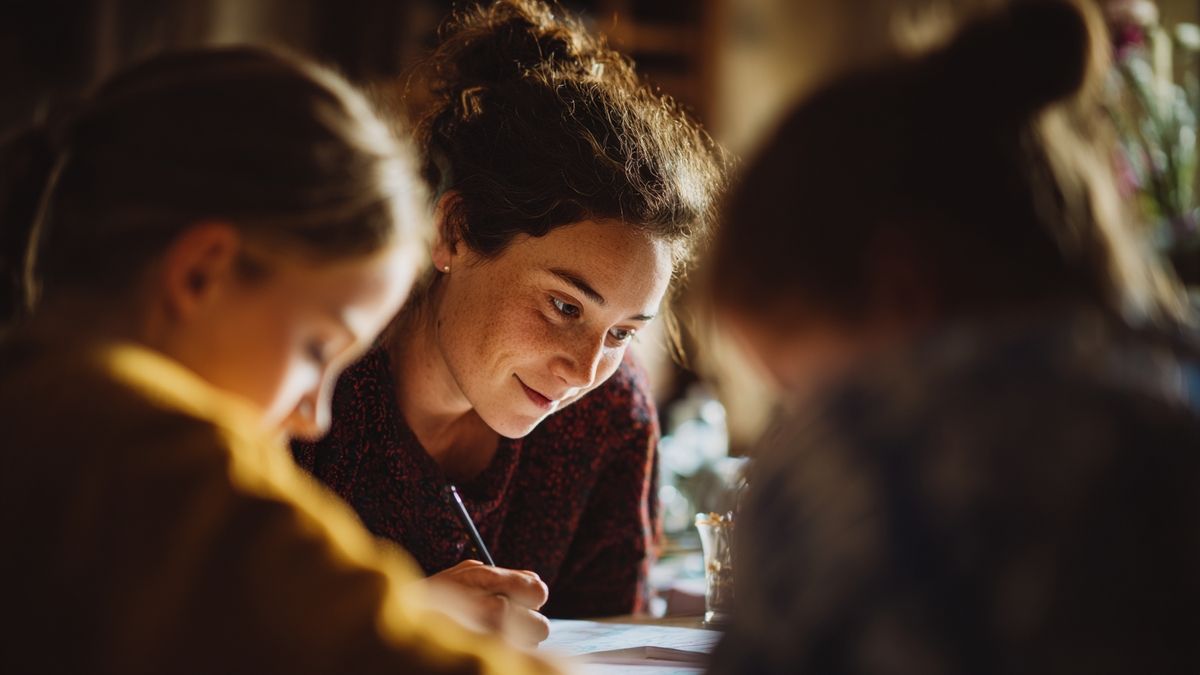
When several family members learn French together, it naturally happens that levels differ. This can quickly become a source of frustration if care is not taken to value individual progress, rather than comparing results. Everyone progresses at their own pace: the youngest easily assimilate oral vocabulary or songs, while adults often want to understand grammatical rules. What should never be done is to turn these differences into competition. On the contrary, encouragement and recognition of each person’s efforts help create a positive and caring atmosphere. The ideal is to share successes — the first successful dialogue, a written text, a joke understood — to collectively congratulate each other.
We can also distribute roles according to each person’s strengths: who explains the vocabulary? Who corrects pronunciation? Who brings humor to the exercises? Exchanges are richer and progress is better anchored when speech flows, without ever losing sight of the pleasure of learning as a team. By avoiding the pressure of grades or performances, French with family is rooted in a dynamic of mutual encouragement. It is this kindness that makes all the difference in the long run.
What Digital Tools Facilitate Family Learning of French?
The digital age opens up an impressive range of possibilities for learning French together. On the platform fle.re, you can find personalized pathways, interactive quizzes, and videos tailored to each age group. These tools have the advantage of making progress visible and fun, while keeping everyone involved according to their level. You can track your progress over the weeks, challenge other members during mini-assessments, and practice without monotony thanks to the diversity of formats offered: educational video games, mobile apps, thematic podcasts, or downloadable worksheets.
Digital resources also offer ways to vary practice: generate automatic dialogues, practice pronunciation using voice recognition, join remote discussion groups, or watch webinars as a family. Bonus: there are even free online tests, like this French level test, to target areas to strengthen together. These tools stimulate motivation through autonomy while enhancing the pleasure of learning in a group. We talk, we play, and we exchange in French, in a reassuring environment, from the family living room.
What Are the Benefits of Learning French with Loved Ones?
Sharing a project as constructive as learning French in a group strengthens family bonds. It’s an opportunity to open up to a common Francophone culture, discover the richness of vocabulary related to everyday life, and also work on each person’s memory, creativity, and listening skills. Shared moments take on a different flavor: we enjoy deciphering the meaning of an expression, we laugh at early mistakes, we celebrate small victories… This closeness creates a supportive dynamic, where everyone encourages others to do better, without fear of judgment.
| *Benefits* | *How It Manifests* | *Observed Impact* |
|---|---|---|
| Strengthening Family Bonds | *Collective games, discussions, common challenges* | *More complicity, shared laughter* |
| Sustained Motivation | *Visible progress, mutual support* | *Less dropout, constant progress* |
| Cultural Enrichment | *Discovery of Francophone culture* | *Open-mindedness, increased curiosity* |
Conclusion
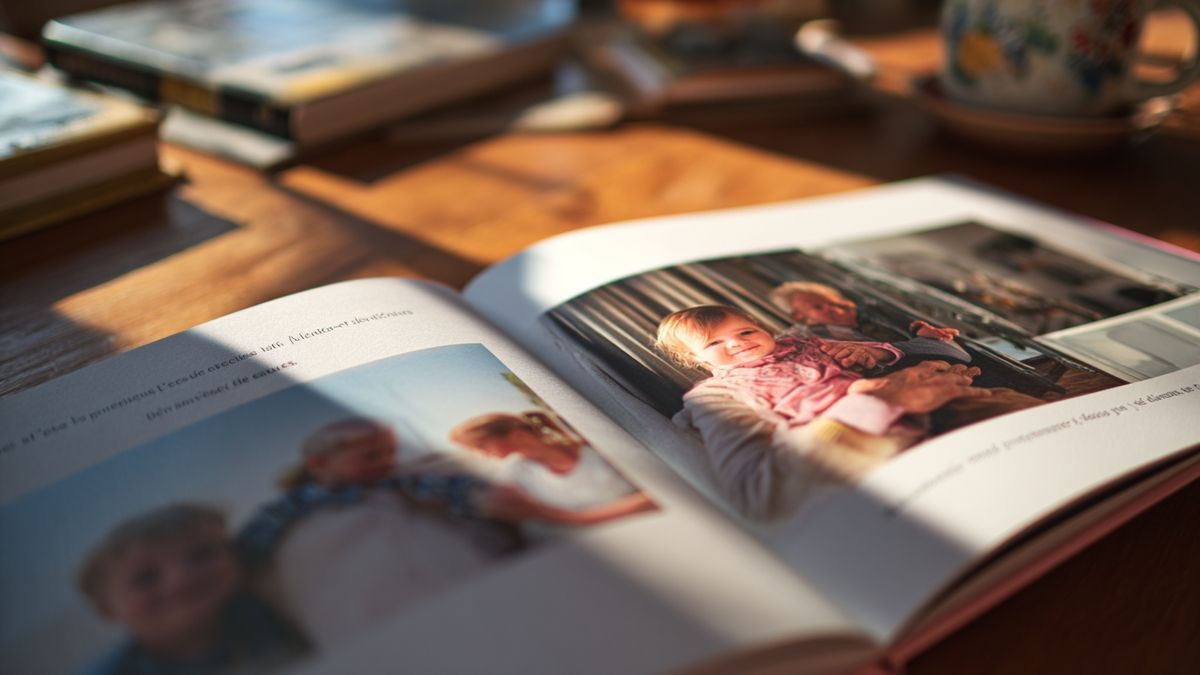
Learning French with family is about sharing much more than words: it’s about creating shared memories, strengthening bonds, and progressing together in a reassuring environment. Moments of exchange around family vocabulary, expressions, and anecdotes facilitate learning, especially for the youngest or those just starting. We sometimes laugh at our mistakes, we encourage each other, and every progress becomes collective.
Working on the lexicon of family members, relationships, and everyday situations allows everyone to naturally own the language. This journey, experienced together, makes French lively and accessible to all and leaves room for the expression of feelings, memories, or common projects. Honestly, discovering French as a family creates a stimulating and warm dynamic over the days.
To learn French with family, it is useful to select activities suitable for the age and level of each member. Favor role-playing games, songs, creating a family tree, or making a family journal. Everyone participates according to their skills, for example by drawing, writing, or reading aloud. Parents can use visual aids and alternate between oral and written to maintain the attention of the youngest. Prepare moments of exchange where each member describes their day in French, using the family vocabulary learned. Finally, regularly vary the materials (cards, videos, group quizzes) to stimulate motivation and gradually integrate new concepts. Board games such as a memory game about family members, vocabulary bingo, or the “who is it?” game with family characters stimulate collective learning of French. You can also invent a family relationship bingo or do a treasure hunt where the clues are descriptions of family members in French. Mimes and riddles promote oral expression and memorization. Quizzes about the family, played in teams, encourage cooperation while consolidating vocabulary and oral comprehension suitable for all ages.How to Adapt Activities to Learn French with Family?
What Fun Games to Use to Learn French with Family?
How to Work on Oral Comprehension in Family in French?