English
 Français
 Português
 العربية
 한국어
한국어 Türkçe
 Tiếng Việt
 Español
 हिन्दी
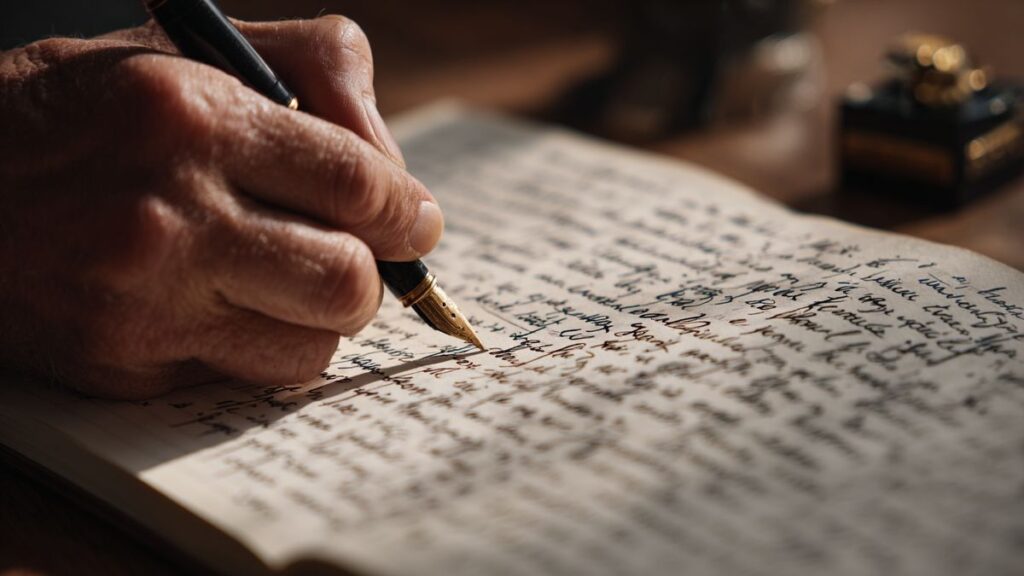
Reading to learn French changes everything when you want to speak the language day to day. Authentic articles put living words, real turns of phrase and topics that make you want to keep going right in front of you. You move forward without reciting lists, simply following the thread of a text. On fle.re, the idea stays the same: practise first, understand next, remember last.
Understanding a chat between colleagues, reading an email without getting stuck, following a news story: that is what regular reading makes possible. Every text brings vocabulary, but also grammar in action, the kind you retain effortlessly. You read an article, you jot down two or three words, you reuse them. The language becomes a habit rather than a school subject.
This guide brings together a simple method and concrete pointers. You will see which texts to choose depending on your level, how to remember the words you come across, which reading techniques save time and at what pace to read. Nothing complicated: things you can try out today, coffee in hand, on your phone or on paper.
Why reading articles helps you make progress in French
Reading articles remains one of the most effective ways to make fast progress and hold on to what you have learned. You build up your everyday vocabulary, but you do much more. You see how sentences are put together, how a tense serves an idea, how a connector links two facts. At first, lists of isolated words seem useful, then you forget everything. A text, on the other hand, gives meaning to every word.
What's your real French level?
Answer 10 quick questions right here, without leaving the page. Create your account at the end to see your level.
Test complete! 🎉
Create your free account to see your estimated level and unlock a tailored path.
See my levelThe strength of this method lies in the variety of topics. News, culture, society, sport, science: there is always an article to match your curiosity of the day. You quickly come across recurring structures that turn up from one text to the next. The brain spots them, memorises them, then reuses them on its own. Reading ten minutes a day is worth more than one long session once a week. Consistency makes the difference, not duration.
Another advantage is enjoyment. You choose your topics, you read what really speaks to you, and the effort fades away. A cooking enthusiast moves forward with recipes, a football fan with match reports. This freedom keeps motivation alive over the long haul. And it is indeed the long haul that counts: vocabulary settles in little by little, week after week, almost without you noticing.
Which articles should you choose according to your level of French?
The right text depends above all on your level. For a beginner, it is best to aim for short texts, with simple vocabulary and direct sentences. Everyday topics work very well: introducing yourself, talking about your hobbies, recounting your day. Practical blogs and educational articles are the most reassuring at this stage. To expand your word base step by step, the beginner French vocabulary blog offers content designed for exactly that.
At an intermediate level, turn to news, offbeat or society articles. They bring in new expressions and more complex tenses, while talking about the real world. Reports, interviews and specialist articles suit advanced levels and exam preparation. Their syntax is polished, their specialised vocabulary rich, and they open the door to precise fields such as politics, economics or science.
- Beginner: short texts, everyday topics, simple sentences.
- Intermediate: news, society, articles with descriptions.
- Advanced: themed features, interviews, specialist content.
- Exam goal: print press, editorials, argumentative texts.
Alternating between these formats keeps your curiosity alive and strengthens your reading. One day a light news brief, the next a denser feature: the eye and the ear get used to every register. You gain independence without even realising it. What matters is not understanding everything the first time round, but staying in regular contact with texts slightly above your level.
How can you memorise the vocabulary you come across in articles?

As you read, you inevitably come across unknown words and new turns of phrase. The first useful reflex is not to open the dictionary. Try first to guess the meaning from the context, then check afterwards. This little exercise anchors the word far better than an immediate translation. To remember it for the long term, draw on several senses at once: sight, hearing and the act of writing.
Listen to the pronunciation with a native speaker, as FLE.RE’s exercises let you do, then repeat the word out loud. Note it down in a notebook or a dedicated app. Writing reinforces visual memory and fixes the spelling. A few simple gestures are enough to turn a word stumbled upon at random into a word truly learned, ready to come back at the right moment.
- Write an example sentence with each new word.
- Associate the word with an image or a personal memory.
- Place it back in a dialogue, real or imagined.
- Review it at regular intervals, over several days.
To broaden your lexicon faster, reuse these words in context, in writing and out loud. A message, an email, a short summary, a conversation: each use reinforces the anchoring. Seeing the word come to life in a real sentence is worth more than any flashcard. You will be surprised how quickly vocabulary settles in once it actually gets used.
Which reading techniques speed up comprehension?
Not all texts are read the same way. Skimming is used to grasp the general idea by running through headings and opening sentences. Scanning, on the other hand, looks for a specific piece of information within the text. These two reflexes save time before a closer read. Then comes active reading: you ask yourself questions, underline, summarise paragraph by paragraph.
Alternate between extensive and intensive reading. The first means reading a lot, without stopping on every word, for enjoyment and speed. The second dissects a short text in detail, word by word. After reading, summarise the article out loud or in writing. Rephrasing in your own words remains the best comprehension test there is.
A good rule of thumb is to read the same text twice. The first reading serves to grasp the overall meaning, without getting stuck. The second lets you dwell on the words you noted and the useful turns of phrase. Between the two, you often understand what was tripping you up at the start. This close rereading costs little time and pays off greatly, especially on slightly demanding articles.
How can you vary the exercises to lock in your progress?
Reading gives even more when you extend it with exercises. On FLE.RE, the materials combine reading comprehension, multiple-choice quizzes, rephrasing and short pieces of writing inspired by the articles you have read. At home, you can multiply the angles: debate the arguments in a text, imagine what happens next, write a mini-article on the same topic. These writing games feed spontaneity when speaking just as much as ease in writing.
Remember to measure your progress from time to time too. A regular check-in shows what is moving forward and what is still tricky. You can take this free French level test to place your level and target your priorities. Alternating short dictations, multiple-choice questions and writing tasks keeps learning varied and motivating over time.
How often should you read articles to really make progress?
The question keeps coming up: how many articles should you read a week? The answer comes down to one word, regularity. Short but frequent practice always beats long, spaced-out sessions. Aim for an article every other day if you already read comfortably, or a short text each day to start with. The pace matters more than the number of lines devoured.
| Recommended frequency | Type of article | Expected progress |
|---|---|---|
| Three times a week | Short columns, light news | Everyday vocabulary reinforced |
| Every day (beginner) | Short texts, varied themes | Smoother reading, basic comprehension |
| Three to five times a week | Specialist articles, features | Complex structures, ease in writing |
Everyone adjusts the pace to their own schedule. The main thing remains consistency. Ten minutes at the lunch break or on the commute are already enough. By slipping reading into the idle moments of the day, French becomes familiar effortlessly and without pressure. It is this small daily habit that ends up changing everything.
In summary

Learning French with articles improves comprehension and written expression in a natural way. By reading often, you come across new words, absorb sentence structure and get used to real situations. The method stays lively, far from rigid school exercises. There is always something to read, on every topic and at any hour.
Well-built articles let you choose your own pace while varying the themes. You quickly recognise the useful turns of phrase, you reuse them, and the language becomes more natural day after day. Over time, this habit also feeds listening comprehension. French shifts from being a subject to being a simple everyday tool, the kind you use without thinking.
Frequently asked questions about learning French through articles
Which articles should you choose when starting out in French?
Aim for short texts, with simple vocabulary, on everyday topics. Practical blogs and educational articles are reassuring at the start. The goal is not to understand everything, but to read clear sentences often. An easy text read all the way through is worth more than a difficult article abandoned halfway.
Should you translate every unknown word?
No, it is better to guess the meaning first from the context. The sentence around the word often gives a good clue. Then check in a dictionary to confirm. This small effort of deduction anchors the word far more firmly than a translation read in a hurry, then forgotten straight away.
How many articles should you read a week to make progress?
Frequency matters more than quantity. A short text each day suits beginners very well. More confident readers can aim for an article every other day. Even ten minutes are enough, as long as you keep up the pace over time rather than doing it all at once.
Does reading articles also help with speaking?
Yes, in an indirect but real way. The words and turns of phrase you read come back later when you speak. Reading out loud reinforces pronunciation. Summarising an article out loud trains spontaneous expression. Reading feeds the store of language you draw on to build your sentences when speaking.
Where can you find articles suited to your level?
Educational blogs, easy-French news sites and FLE.RE materials offer texts calibrated by level. Start with content marked A1 or A2 if you are a beginner. Then move up to general news, and on to specialist articles as reading becomes smoother.
Skimming and scanning, what’s the difference?
Skimming is an overview: you run through headings and opening sentences to grasp the general idea. Scanning looks for a specific piece of information, such as a date or a name, without reading everything. These two techniques prepare the ground before an attentive read and save a lot of time.
How do you keep your motivation over time?
Choose topics you genuinely enjoy, from sport to cooking. Vary the formats to avoid routine: briefs, interviews, features. Set yourself a small daily appointment, always at the same time. Noting your progress from time to time also helps you see how far you have come and keep going.

What's your real French level?
Answer 10 quick questions right here, without leaving the page. Create your account at the end to see your level.