Mastering French for tourism radically changes the way you work and interact with visitors in France. Here, it’s not enough to just learn a few basic words: understanding expressions, the professional vocabulary of the hotel and restaurant industry, the different types of requests at reception, and being able to provide accurate information makes all the difference in the field. Interactions with travelers are concrete: you manage reservations, you guide, you reassure, you explain. On the fle.re platform, everything has been designed to facilitate smooth communication in French within the tourism sector. You will quickly notice the importance of polite formulas, the use of formal address, and the natural use of the conditional tense in customer service. Targeted training allows you to be comfortable both orally and in writing, for every situation you encounter, from simply providing information to managing incidents. Learning happens at your own pace, and frankly, that makes all the difference in your daily life! https://www.youtube.com/watch?v=S2A3y6R3DIUWhat vocabulary should you use to communicate effectively in the tourism sector?
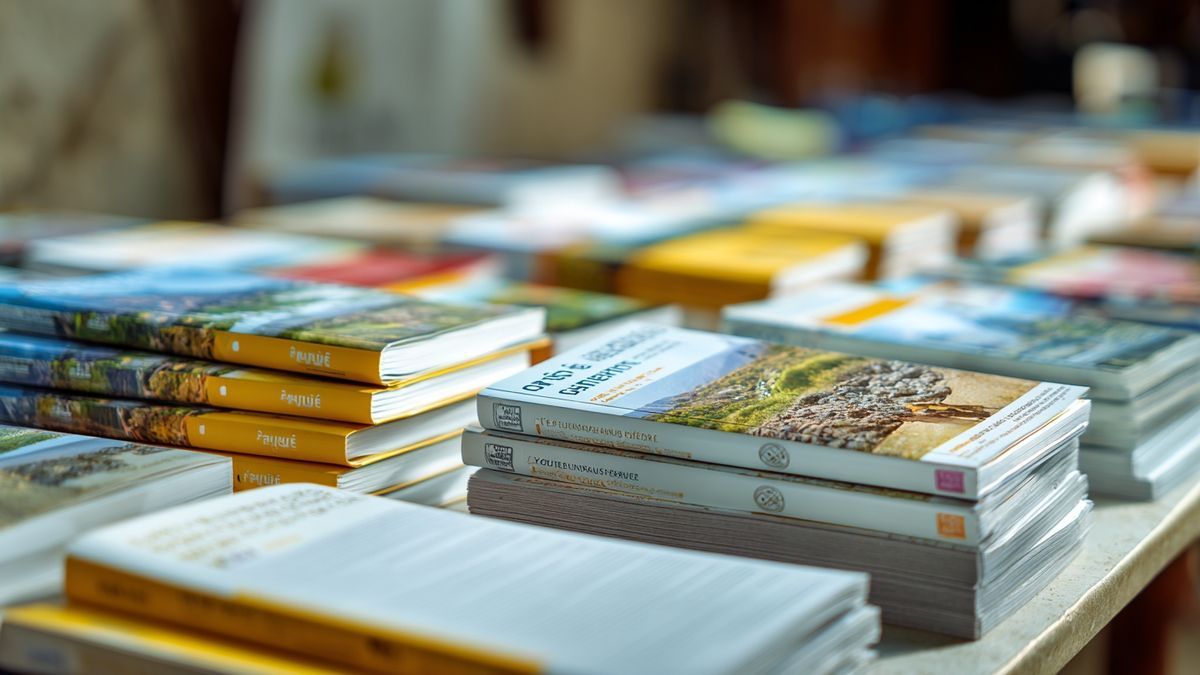
In the tourism sector, mastering appropriate vocabulary facilitates communication, allows you to welcome clients professionally, and ensures quality service. Polite greetings are an essential first step: a smiling “hello” at the counter, a tactful “Can I help you?” or a “Thank you, see you soon” create a warmer and more reassuring atmosphere for visitors. Using formal address, managing reservations, and being able to provide simple directions become major assets when working in a hotel, agency, or cultural site. Hospitality staff must also be familiar with the terminology related to room types.(single, double, suite), the services offered (luggage storage, room service), and the menu vocabulary (appetizers, set menus, chef’s suggestions). There’s a real difference in conversing with an English-speaking, German-speaking, or Chinese-speaking visitor, but the goal remains the same: to create a genuine connection through precise and appropriate professional language. To enrich your vocabulary, nothing beats training based on authentic materials: brochures, websites written in French, and local tourist guides are teeming with common expressions and specific words to learn. Specialized platforms also offer personalized flashcards that allow you to quickly memorize the most frequently used terms in the accommodation, restaurant, and transportation sectors. All of this builds everyday language, far removed from academic French, and much closer to the realities of the field. Why does regular practice of tourist French lead to rapid progress? Improving your tourist French starts with regular practice. Ideally, you should learn “on the job,” by testing different approaches with real customers or during simulations. Over time, using the conditional tense to make a suggestion, answer a question, or explain a restaurant menu becomes much more natural. Nothing forces you out of your comfort zone and uses learned vocabulary in a real-life context like a surprise order or an unexpected request for directions. This kind of action-based learning accelerates memorization and builds confidence in spoken French. Role-playing exercises: Simulating greetings, taking reservations, or handling complaints helps you use the right tone and react appropriately in various situations.Regularly interact with native speakers. Discussing with French-speaking colleagues, clients, or partners, even about small, everyday questions, immediately places you in a lively and authentic professional context.
Situational simulation or interactive dialogue applications allow you to practice by adapting to your level and needs, with immediate feedback.
Practice reading specialized materials: Regularly reading brochures, websites, or travel catalogs helps you become familiar with common expressions and technical terms related to the sector. How to memorize tourism-specific vocabulary faster?Learning tourism vocabulary requires effective techniques, as this field is full of different expressions depending on the specialization—from tour guide to head receptionist. To avoid feeling overwhelmed, the solution often lies in creating thematic categories. For example, by separating the vocabulary related to accommodation (booking a room, requesting an extra bed), food (ordering the daily special, asking for the bill), or transportation (train schedules, car rental). Creating vocabulary flashcards or memory games based on everyday needs makes everything much easier to digest. A few tips can really boost daily memorization. Use personalized flashcards: Inserting a key phrase, a concrete situation, or an image on each card helps to solidify the meaning and usage of the word. Organize vocabulary by broad themes: Grouping words according to the activity (accommodation, food, reception, entertainment) facilitates quick review before a shift or an interview. Practice regularly with various resources. Alternating between written, audio, and visual materials helps strengthen auditory and visual memory while avoiding monotony. Use applications with artificial intelligence: Some platforms adjust exercises to the user’s level and offer intelligent reminders of key words to review, ensuring that key concepts are never forgotten.What solutions exist for training in specialized French for tourism? The diversity of training programs in tourism French truly facilitates adaptation to each professional path. Many begin with a general course to refresh their skills before opting for on-the-job specialization. Recognized organizations have established professional certifications that attest to an operational level, both orally and in writing. These certifications are often valued by employers and open doors to new positions or career mobility within the sector. Programs such as the Personal Training Account (CPF) or continuing professional development plans within companies provide access to short, practical courses. Trainers frequently emphasize practical case studies: managing delicate situations, leading groups, or providing personalized service in heritage sites. Some courses even include role-playing exercises with real clients. Taking the time to carefully choose your training (in-person or online) ensures you progress at your own pace and according to your specific needs.What digital tools can you use to practice French for tourism on a daily basis? Dedicated mobile apps, interactive platforms, and other digital tools are transforming how people prepare for using French in a tourism context. Thanks to thematic flashcards From speech recognition exercises to simulated dialogues, everyone can quickly improve their reflexes, even with a busy schedule. Personalization remains the key strength: each user can target their weaknesses, choose their favorite themes, and adjust the duration of each session to suit their needs. Digital ToolMain FeaturesBenefits for Tourism StudySmarter Flashcards on travel vocabulary
, thematic learning paths, personalized exercises Quick vocabulary review, long-term memorization Talkpal Virtual tutoring, oral expression training, realistic dialogues Fluent speaking in face-to-face situations Simulation Platforms Professional scenarios, feedback on the use of formal address
Practical preparation for welcoming guests, taking reservations, and interacting with clients
Conclusion Mastering French applied to the tourism sector transforms the experience for both professionals and visitors. Thanks to appropriate vocabulary, polite phrases, and consistent practice, everyone can strengthen their communication skills in a variety of situations: reception, catering, or cultural tours. Nothing replaces direct contact with customers for fluency. Choosing training tailored to the tourism context, using modern tools, and practicing regularly are concrete ways to gain confidence. Through interactions with visitors, French becomes truly vibrant and accessible. This facilitates the creation of a warm atmosphere, where every detail counts in the welcome and service provided. Don’t underestimate the value of every smile or well-chosen word. Which apps facilitate learning French for tourism? SourcesMinistry for Europe and Foreign Affairs. “The Tourism Sector.” France Diplomacy, June 15, 2023. Accessed June 30, 2024.
- See also: FranceCompétences. “The Personal Training Account (CPF).” FranceCompétences, n.d. Accessed June 30, 2024.
- See also: Project Voltaire. “The Voltaire Certificate: A Benchmark Certification.” Project Voltaire, n.d. Accessed June 30, 2024.
- See also: Université Grenoble Alpes. “University Center for French Studies (CUEF): French and Tourism.” Université Grenoble Alpes, September 5, 2023. Accessed June 30, 2024. See also: