Communiquer simplement lors d’un séjour dans un pays francophone peut tout changer. Comprendre les questions à l’hôtel, demander son chemin ou commander au restaurant : apprendre le français pour voyager rend chaque situation plus fluide. On se sent plus à l’aise, moins perdu face à la signalisation ou à un menu inconnu. Les échanges deviennent plus naturels et les rencontres, plus spontanées. Prendre le temps d’acquérir du vocabulaire de base et des phrases toutes prêtes suffit souvent à se débrouiller. Avouez, c’est rassurant de pouvoir acheter un billet de train sans stress ou d’adresser quelques mots pour remercier un local.
Sur fle.re, la méthode en ligne pour apprendre le français mise sur des situations concrètes, utiles au quotidien. Peu importe le niveau, quelques minutes par jour donnent déjà confiance. Voyager, c’est s’ouvrir au monde. S’exprimer en français ajoute une vraie dimension humaine aux séjours à l’étranger. Et franchement, vous verrez : quelques mots dans la langue du pays font vite la différence.
Comment le français peut-il transformer votre expérience de voyage ?
Savoir parler français en déplacement facilite énormément chaque interaction, du simple check-in à l’hôtel à la demande d’un renseignement dans la rue. Même les apprenants débutants constatent rapidement une différence dans les échanges quotidiens : un mot bien prononcé ou une formule de politesse change l’attitude de votre interlocuteur, ouvrant de nouveaux horizons. J’ai moi-même constaté à Paris à quel point une phrase simple comme « Bonjour, pouvez-vous m’aider ? » pouvait faire sourire même l’agent de métro le plus sérieux.
Si vous vous rendez dans un pays francophone, une maîtrise même élémentaire offre un véritable confort. On accède sans stress à l’achat d’un billet, on comprend mieux les menus ou les consignes de sécurité. Mais ce n’est pas juste une histoire de commodité : c’est aussi une relation bien plus riche avec la culture locale. Utiliser le vocabulaire pratique pour voyager en francophonie transforme chaque moment d’incertitude en vraie opportunité de partage. À Montréal, s’exprimer en français permet tout simplement de découvrir une facette authentique de la région.
Quels sont les mots et phrases utiles à retenir pour voyager ?
Maîtriser les expressions françaises pour voyageurs ne relève pas du miracle. Il suffit de cibler des situations réelles pour mémoriser des phrases courantes. Croyez-moi, personne n’attendra de vous la perfection, mais un « Où se trouve la gare, s’il vous plaît ? » fonctionne partout ! Voici les incontournables à glisser dans votre sac à dos linguistique :
- Demander son chemin : « Pouvez-vous m’indiquer la direction de… ? », « Où est la sortie ? »
- Réserver ou commander : « Je voudrais réserver une chambre », « L’addition, s’il vous plaît »
- Exprimer un besoin : « J’ai besoin d’aide », « Je ne comprends pas »
- Politesse : « Excusez-moi », « Merci beaucoup », « De rien »
- Urgence : « Appelez une ambulance ! », « Où est la pharmacie ? »
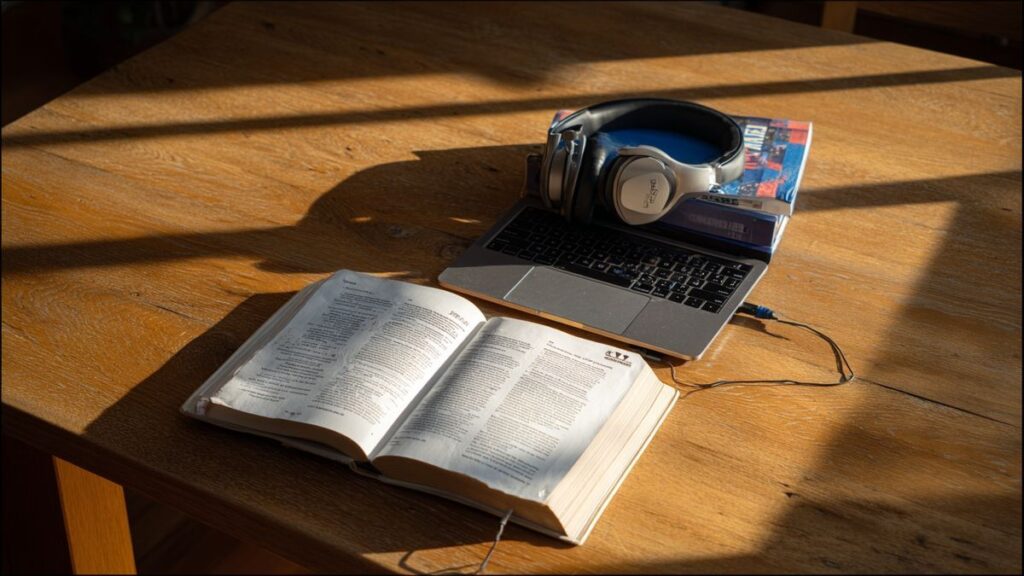
Astuce : Entraînez-vous avant de partir avec des petites dictées audio françaises pour améliorer votre accent (voir à ce sujet
cet outil sur fle.re).
Comment progresser rapidement avec les plateformes en ligne ?
L’apprentissage digital est devenu typique pour ceux qui veulent apprendre le français pour mieux voyager. Les plateformes comme fle.re proposent un accès instantané à des ressources interactives, adaptées aussi bien à ceux qui préfèrent la vidéo qu’à ceux qui aiment les exercices écrits. Rien de plus motivant que de voir ses progrès grâce à une interface intuitive. On trouve souvent des simulateurs de dialogues pour préparer des situations réelles : commander un café, déclarer une urgence, ou demander un renseignement.
Un conseil basé sur l’expérience de nos apprenants : fixez-vous un objectif concret. Par exemple, « comprendre 80 % d’un menu au restaurant » ou « poser trois questions à l’accueil de l’hôtel sans aide ». Avec des modules thématiques, il devient très simple de cibler des contextes concrets et d’avancer rapidement sans se perdre dans du vocabulaire peu utile pour de courts séjours.
Quels conseils pour s’entraîner à l’oral avant de partir ?
Beaucoup de personnes hésitent à parler par peur de se tromper ou d’avoir un accent marqué. C’est tout à fait naturel, croyez-moi ! Pour y remédier, privilégiez des exercices de conversation pour préparer un séjour francophone. Pratiquer l’oral, même seul(e), a un impact déterminant sur la fluidité et la sérénité une fois sur place.
L’idéal est de varier les méthodes : écouter des podcasts adaptés comme “Coffee Break French”, s’entraîner avec des vidéos courtes, ou rejoindre des ateliers de conversation virtuels proposés par des plateformes comme fle.re. Il n’y a aucun mal à se tromper, on apprend beaucoup plus vite en osant essayer, et la bienveillance des francophones encourage souvent les nouveaux venus. Si la pression vous gagne, retrouvez nos conseils pour gérer le stress.
Pour ceux qui préfèrent la pratique guidée, les simulateurs de situations imitent parfaitement une interaction réelle : payer à la caisse, demander un horaire, ou formuler un souhait particulier. Plus on écoute et répète, plus le cerveau associe naturellement les mots à leur contexte.
Où trouver des ressources gratuites pour renforcer son français ?
Beaucoup de ressources gratuites sont particulièrement utiles pour renforcer ses acquis, varier l’apprentissage et garder la motivation avant un départ. Voici un tableau qui récapitule les plateformes et types de contenus à utiliser sans frais :
| Plateforme | Spécificité | Type de contenu |
|---|---|---|
| fle.re | Progression sur-mesure | Leçons interactives, exercices pratiques, dictées audio |
| Le Point du FLE | Grande variété de supports | Exercices, fiches, jeux didactiques |
| YouTube – FrenchPod101 | Mises en situation authentiques | Vidéos courtes, dialogues, mise en pratique orale |
Mélanger ces ressources, s’y consacrer régulièrement et surtout garder le plaisir de découvrir la langue garantissent des progrès rapides et concrets. Même quelques minutes par jour, c’est déjà la clé ! Utilisez vos trajets pour écouter une capsule audio, testez-vous avec une dictée ou tentez de déchiffrer une carte postale. Bientôt, vous vous sentirez prêt à profiter pleinement de toutes les situations du quotidien lors de votre prochain séjour dans un pays francophone.
Conclusion
Maîtriser le français pour voyager facilement permet d’aborder chaque déplacement avec plus de confiance et d’autonomie. Pouvoir demander des informations, réserver une chambre ou comprendre les panneaux d’indication rend les déplacements plus simples et agréables. On se sent tout de suite plus à l’aise lorsqu’on échange dans la langue du pays.
Mieux communiquer en français aide également à tisser des liens avec les habitants et à s’immerger dans la culture locale. Cela facilite l’accès à des recommandations, des conseils pratiques et même à des échanges spontanés, apportant une touche authentique à chaque séjour.
Un apprentissage régulier, basé sur des situations réelles et du vocabulaire adapté, prépare efficacement aux besoins quotidiens. Ce sentiment de progression donne envie de découvrir toujours plus et rend les déplacements nettement plus agréables. Profiter d’outils numériques gratuits accélère l’acquisition de compétences utiles lors de déplacements dans un pays francophone.
Apprendre le français pour voyager facilement rapidement repose sur la pratique régulière de situations réelles du voyage. Concentrez-vous sur le vocabulaire lié aux transports, à l’hébergement, aux restaurants et aux questions courantes. Travaillez la prononciation grâce à des podcasts, vidéos et dialogues interactifs. Utilisez des applications et plateformes gratuites comme Talkpal ou Duolingo pour des exercices ciblés et des dialogues pratiques. Ce guide sur le vocabulaire pour débutants aide à mémoriser rapidement les termes nécessaires. Enfin, simulez régulièrement des conversations de voyage pour gagner en aisance à l’oral. Pour apprendre le français pour voyager facilement, privilégiez les exercices qui simulent des dialogues en situation réelle, tels que commander au restaurant, réserver un hôtel ou demander une direction. Utilisez des exercices de conjugaison pour les temps utilisés dans le contexte du voyage (présent, futur proche). Pratiquez les expressions idiomatiques spécifiques au tourisme et entraînez-vous à l’écoute de conversations authentiques via des podcasts ou vidéos. Effectuer des jeux de rôle avec un correspondant ou via des applis améliore aussi la réactivité et la confiance orale. Pour voyager facilement en français, il est utile de maîtriser : le présent de l’indicatif, le futur proche pour parler de ses projets (“je vais prendre le bus”), les mots interrogatifs, l’impératif pour formuler des demandes (« Montrez-moi… »), et les prépositions liées au déplacement (“à la gare”, “au musée”). La gestion des articles définis et indéfinis simplifie l’expression des besoins. L’apprentissage des formules de politesse aide également à échanger facilement avec les locaux dans toutes les situations de voyage. Pour renforcer votre compréhension orale en français pour voyager, écoutez régulièrement des dialogues authentiques issus de podcasts ou de chaînes YouTube dédiées. Travaillez votre oreille en regardant des vidéos sur des situations de voyage, idéalement avec des sous-titres. Imitez les phrases et expressions courantes entendues dans ces supports. Pratiquez la prise de notes pour retenir les tournures typiques et les expressions idiomatiques. Enfin, échangez oralement avec d’autres apprenants ou des natifs via des plateformes de conversation pour vous habituer à différents accents et rythmes. Pour apprendre le français pour voyager facilement, mémorisez ces expressions : « Où est… ? », « Combien ça coûte ? », « Je voudrais… », « Pouvez-vous m’aider ? », « À quelle heure part… ? », « J’ai une réservation », « C’est à quelle distance ? ». Ce sont des phrases courantes dans les gares, hôtels, restaurants ou commerces. Ajouter des expressions de politesse comme « s’il vous plaît » et « merci beaucoup » rendra l’échange plus agréable et facilitera l’entente avec les locaux lors de vos déplacements.Comment apprendre le français pour voyager facilement rapidement ?
Quels sont les meilleurs exercices pour apprendre le français avant un voyage ?
Quelle grammaire française faut-il maîtriser pour voyager sereinement ?
Comment améliorer sa compréhension orale pour voyager en France ?
Quelles expressions françaises sont utiles pour voyager facilement ?
{ “@context”: “https://schema.org”, “@type”: “FAQPage”, “mainEntity”: [ { “@type”: “Question”, “name”: “Comment apprendre le français pour voyager facilement rapidement ?”, “acceptedAnswer”: { “@type”: “Answer”, “text”: “Pour apprendre le français pour voyager facilement rapidement, concentrez-vous sur l’apprentissage du vocabulaire du voyage, pratiquez des dialogues, utilisez des applications interactives et entraînez-vous à l’oral avec des ressources spécifiques aux situations réelles.” } }, { “@type”: “Question”, “name”: “Quels sont les meilleurs exercices pour apprendre le français avant un voyage ?”, “acceptedAnswer”: { “@type”: “Answer”, “text”: “Les exercices de dialogue en situation, la conjugaison pratique pour les actions de voyage, les jeux de rôle et l’écoute de podcasts ou vidéos centrés sur le tourisme sont les plus efficaces pour préparer un voyage.” } }, { “@type”: “Question”, “name”: “Quelle grammaire française faut-il maîtriser pour voyager sereinement ?”, “acceptedAnswer”: { “@type”: “Answer”, “text”: “Il faut connaître le présent, le futur proche, les prépositions de lieu et les formules de demande et de politesse pour échanger facilement lors des déplacements en France.” } }, { “@type”: “Question”, “name”: “Comment améliorer sa compréhension orale pour voyager en France ?”, “acceptedAnswer”: { “@type”: “Answer”, “text”: “Pour progresser, écoutez souvent des dialogues authentiques avec sous-titres, travaillez la répétition des phrases typiques, et participez à des échanges oraux ou tandems linguistiques.” } }, { “@type”: “Question”, “name”: “Quelles expressions françaises sont utiles pour voyager facilement ?”, “acceptedAnswer”: { “@type”: “Answer”, “text”: “Des expressions comme Où est ? Combien ça coûte ? Je voudrais…, ainsi que les formules de politesse, sont très pratiques pour voyager et communiquer simplement lors de vos déplacements.” } } ] }
Sources
- Organisation internationale de la Francophonie. « La langue française dans le monde – chiffres clés ». Organisation internationale de la Francophonie, 2022-03-20. Consulté le 2024-06-20. Consulter
- France Éducation international. « Apprendre le français avec TV5MONDE ». France Éducation international, s.d. Consulté le 2024-06-20. Consulter
- Duolingo. « Comment fonctionne Duolingo ? ». Duolingo, 2023-06-15. Consulté le 2024-06-20. Consulter
- Europe1. « Pourquoi le français est-il l’une des langues les plus apprises dans le monde ? ». Europe1, 2022-11-28. Consulté le 2024-06-20. Consulter